Across platforms
ServiceNow, QuickBase, QuickBooks, Python services, JavaScript interfaces, and the APIs between them.
REO Town, Lansing · Automation is in the neighborhood’s DNA
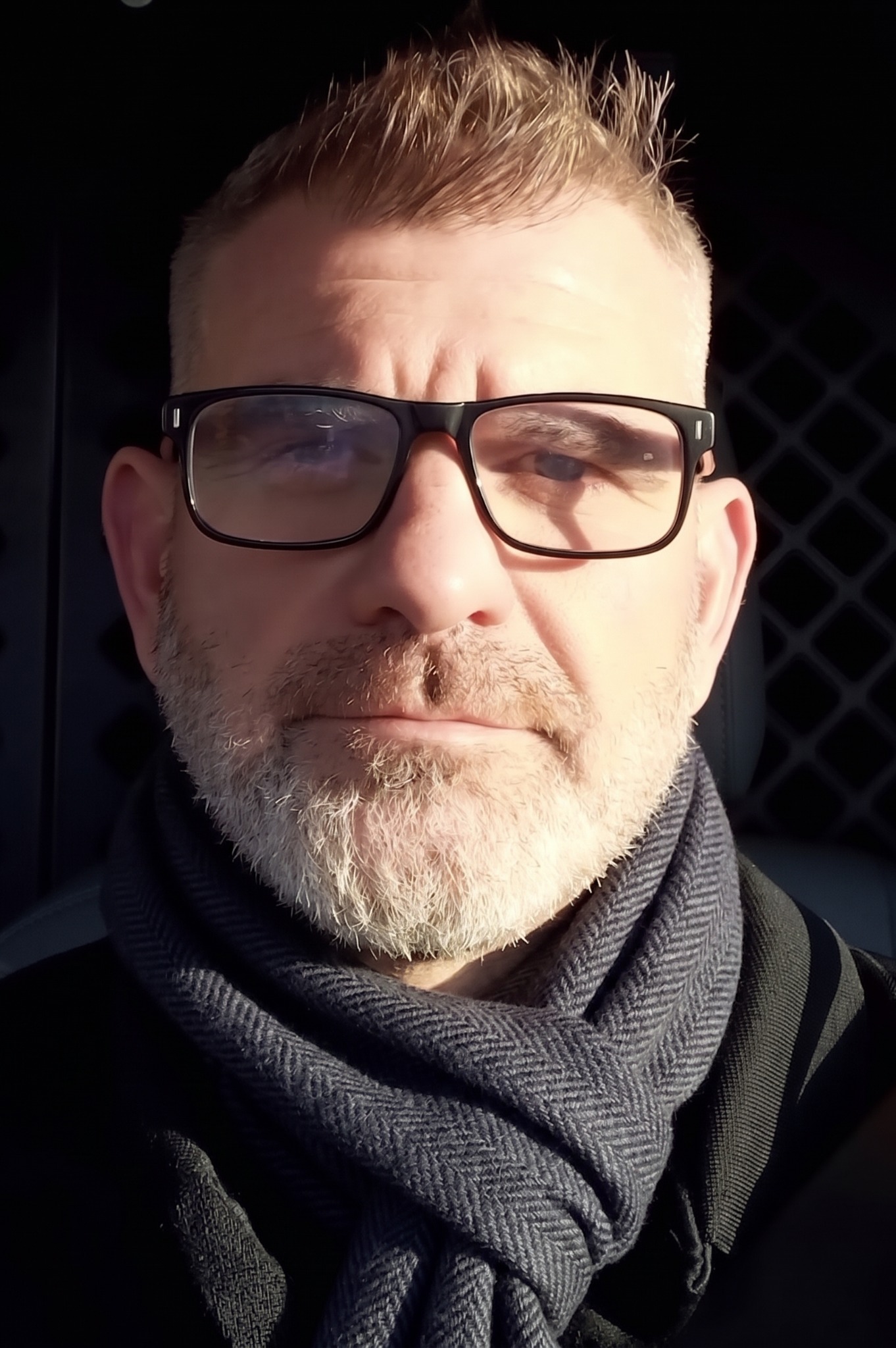
I’m Tom Harwood—an AI Solutions Architect and full-stack builder connecting enterprise platforms, practical automation, and human-centered interfaces.
A little applied intelligence
Give the foundry one messy workflow. See how a small piece of software could connect the work, the information, and the people who need it.
A practical concept. A human checkpoint.
A first step you could actually take.
The real work
Production applications, integration architecture, and operational software built to survive contact with the real world.
ServiceNow Store-certified
A production integration that moves asset data from QuickBase into a customer CMDB—replacing slow, error-prone handoffs with a controlled sync.
Inspection intelligence
A low-code ServiceNow application for building surveys, curating field evidence, and generating professional reports around each survey’s structure.
APIs, middleware & operational glue
Multidirectional systems connecting QuickBooks, QuickBase, AutoTask, GeoTab, ServiceNow, and the work between them—from scheduling and field activity through approvals, payroll, inventory, fleet, and billing.
Private community-technology prototype
A local-first exploration of neighborhood sensing and equal-voice tenant communication. Mentioned here as an active experiment; its working project remains private.
Experimental interfaces
Streamlit starts the server. From there, I use it as a launchpad for miniature worlds, agent conversations, strange instruments, and interfaces it was never particularly expecting.
See everything on StreamlitOffice Simulator · a workplace diorama
Three people. One very small office. Shape the personalities, drop in a situation, and watch the relationships unfold—or take a seat in the conversation yourself.
A better measuring stick
Re-price stocks, funds, indexes, and crypto in gold—or eggs, gasoline, houses, and Big Macs—to see what an investment is really doing.
The quiet wild
Wind a seven-day survival world, set its pressures, and watch one autonomous life turn conditions into choices and consequences.
Multi-agent aquarium
Feed a thought to a school of model-powered fish—each with a different brainstorming job—then pin the ideas worth keeping.
A garden of arguments
Two fictional orators debate across a floating Athenian garden. Shape their perspectives, moderate the exchange, and leave room to change your mind.
Civilization under glass
A living terrarium where autonomous people form families, villages, roads, dynasties, memories, and myths from the rules you set.
The connective tissue
I move between the conference room, the API, the field, and the interface. That range helps me see where information breaks down—and build the layer that makes the whole system behave.
ServiceNow, QuickBase, QuickBooks, Python services, JavaScript interfaces, and the APIs between them.
A background in trades, archaeology, forestry, compliance laboratories, and logistics keeps the software grounded in real work.
AI is not decoration. I use it to accelerate learning, extend human judgment, and make ambitious systems practical.
Field note 001 · Dimension TH-137
I live in REO Town, Lansing—a place shaped by Ransom E. Olds, early automotive production, and generation after generation of people making machines work. Whether or not automation was born here, it evolved here. It is in the neighborhood’s DNA.
Today that inheritance has mutated into something stranger: brick factories and power infrastructure, hand-printed newsletters and zines, resale shops, artists, makers, neighbors, and stubbornly analog culture. Industrial history’s eccentric second cousin—broadcasting from Dimension TH-137.
Before enterprise software, I worked across archaeology, forestry, construction, surveying, logistics, and laboratory operations. I learned to read systems in the ground, in organizations, and in the gaps between tools.
Now I build at those gaps. Some results are certified applications moving real operational data. Others are tiny worlds, decision engines, or private community prototypes. All of them ask: what becomes possible when the pieces can finally speak to one another?